
Selling a Damaged House in Florida: Options for Homes That Need Repairs
Selling a Damaged House in Florida: What Are Your Options?
Can You Sell a Damaged House in Florida?
Yes — it is completely legal to sell a damaged home in Florida. However, state law generally requires sellers to disclose known material defects that could affect the property’s value or safety. The Florida Bar provides guidance on real estate disclosures and seller responsibilities in residential transactions:
https://www.floridabar.org/public/consumer/tip014/
Damage can result from hurricanes, aging components, water intrusion, fire, or long-term neglect. Because Florida’s climate accelerates wear on homes, many properties develop issues over time. Even so, these problems do not prevent a sale. Instead, they influence price, buyer interest, and the type of transaction that may work best.
Across communities such as Pensacola, Gulf Breeze, Pace, Milton, and throughout the Florida Panhandle, homes with repair needs are sold every day.
For homeowners in the Pensacola area looking for local solutions, you can explore options available here: https://iwillgetitdone.com/we-buy-houses-in-pensacola-florida/
Common Types of Property Damage Florida Owners Face
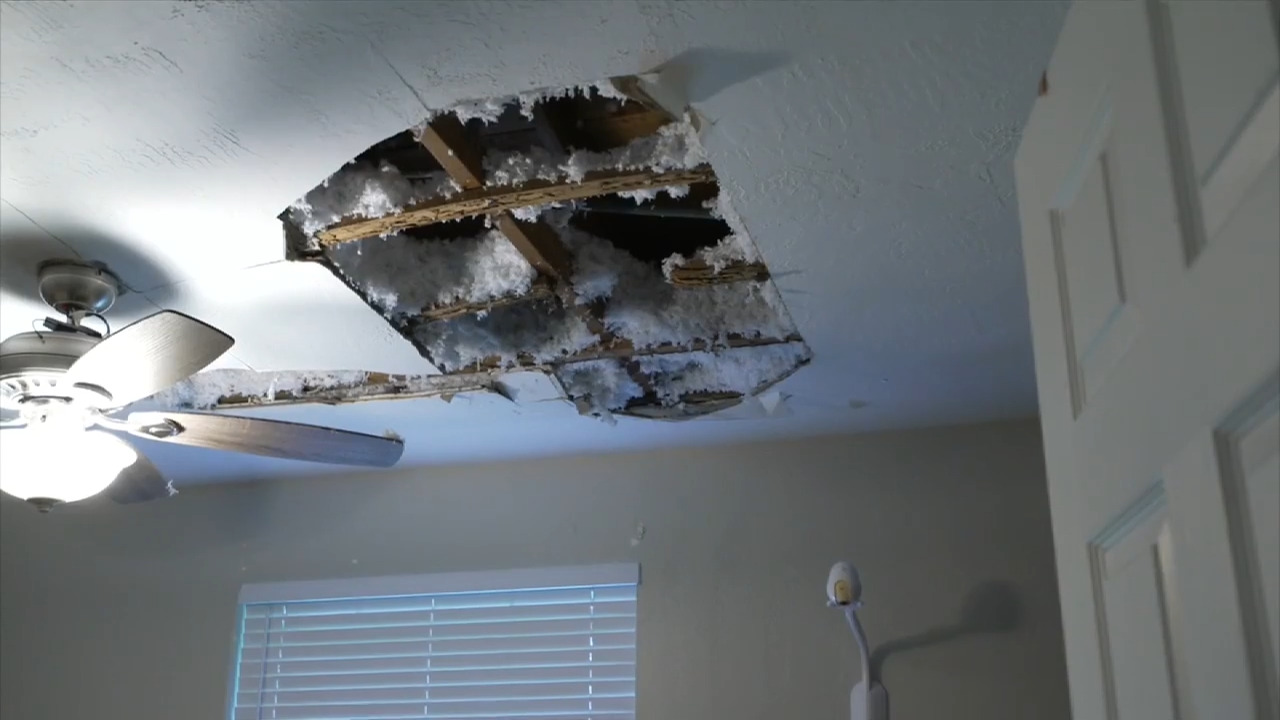
Florida homes face unique stress due to severe weather, humidity, and aging construction. As a result, certain types of damage are especially common throughout the state.
Typical issues include:
Hurricane or wind damage
Roof deterioration or leaks
Water intrusion from storms or plumbing failures
Mold growth due to high humidity
Fire or smoke damage
Structural concerns or settlement
Termite damage
Outdated electrical, plumbing, or HVAC systems
According to the Federal Emergency Management Agency (FEMA), storm-related damage can weaken structures even when problems are not immediately visible:
https://www.fema.gov
In addition, the Centers for Disease Control and Prevention notes that mold can begin developing within 24–48 hours after water exposure:
https://www.cdc.gov/mold/faqs.htm
Properties located near coastal areas or older neighborhoods in cities like Pensacola or Panama City often face accelerated deterioration if maintenance is delayed.
Do You Have to Repair the Damage Before Selling?
No — repairs are not required before selling a house in Florida. Nevertheless, property condition directly affects price, buyer pool, and time on market.
Homeowners typically consider three approaches:
Repair Before Selling
First, some owners choose to complete repairs to maximize resale value. While this may attract traditional buyers, it requires upfront funds, contractor coordination, and time.
Sell As-Is
Alternatively, selling as-is means the property is offered in its current condition. Buyers calculate repair costs and risk when determining their offer price.
Partially Repair
In many cases, owners address major safety or insurance issues while leaving cosmetic improvements unfinished.
Because roof replacements, structural work, or mold remediation can cost tens of thousands of dollars, the Florida Office of Insurance Regulation explains that property condition directly impacts insurability and premiums:
https://www.floir.com
Challenges of Selling a Damaged Home on the Traditional Market
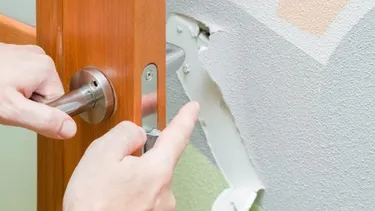
Although listing a damaged property is possible, several obstacles commonly arise.
Many buyers rely on mortgage financing, which requires inspections
Lenders may decline homes needing major repairs
Insurance approval can be difficult to obtain
Buyer demand is smaller compared to move-in-ready homes
Offers may fall through during inspection periods
Price reductions are frequently necessary
Time on market can extend significantly
The Consumer Financial Protection Bureau explains how mortgage underwriting standards affect property eligibility for financing:
https://www.consumerfinance.gov
As a result, sellers may face uncertainty and repeated delays, especially when managing vacant properties or ongoing expenses.
Options for Selling a Damaged Property in Florida
Fortunately, homeowners have multiple paths available. The right choice depends on financial resources, urgency, and personal priorities.
Repair and List Traditionally
This approach aims for the highest possible retail price but involves the greatest investment of time and money.
Sell As-Is on the Open Market
Some sellers price the home below comparable properties to account for repairs. However, negotiations often continue after inspections.
Sell Directly to a Cash Buyer or Investor
Because these buyers typically purchase properties in their current condition, transactions can move more quickly with fewer contingencies.
Hold and Repair Later
Finally, some owners delay selling until circumstances improve or funds become available.
When Selling As-Is May Make Sense
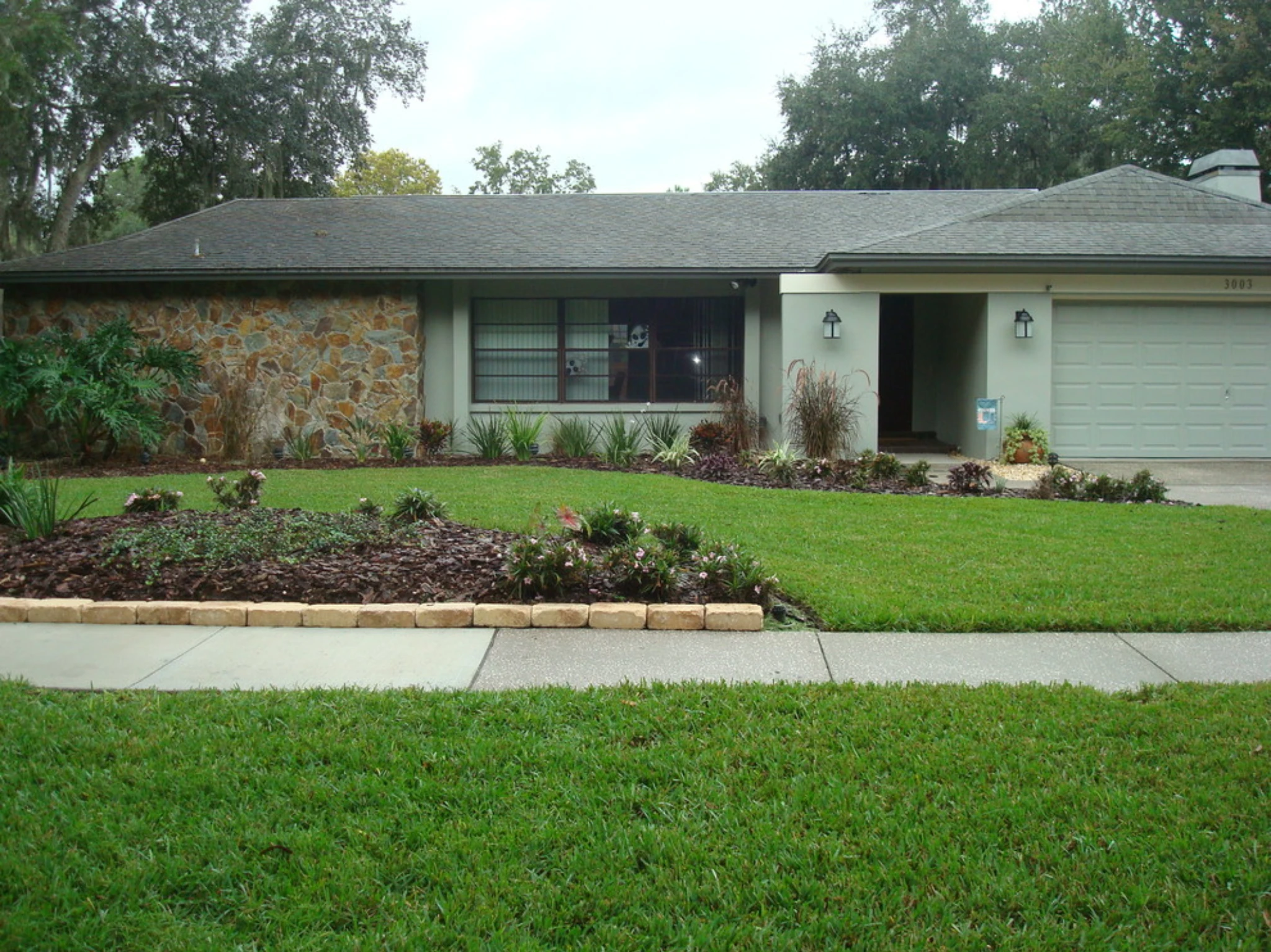
Selling without repairs may be the most practical option in several situations.
Repair costs exceed available funds
Insurance coverage is at risk or has been canceled
The property was inherited and is not occupied
The home is vacant and deteriorating
Relocation or life changes create time pressure
Health or financial limitations reduce involvement
Managing contractors from a distance is unrealistic
Vacant homes in humid climates can deteriorate quickly, making timely decisions important.
Frequently Asked Questions About Selling a Damaged House in Florida
Can You Sell a House With Mold in Florida?
Yes. However, mold issues must typically be disclosed, and buyers may request inspections or remediation estimates.
Do You Have to Disclose Damage?
Yes. Known material defects generally must be disclosed to avoid legal disputes after closing.
Can Buyers Get Loans on Damaged Homes?
Sometimes. However, major structural or safety issues can prevent traditional financing approval.
Will Damage Lower the Property Value?
Yes. Buyers usually subtract estimated repair costs, risk, and inconvenience from their offers.
Can You Sell Before an Insurance Claim Is Settled?
Often yes, although details should be reviewed with professionals involved in the claim process.
Choosing the Right Path for Your Situation
Every damaged property presents a unique set of circumstances. While some owners invest in repairs for a higher potential price, others prioritize speed, predictability, and reduced stress.
Florida’s climate, insurance environment, and construction costs all influence this decision. For homeowners in Pensacola and nearby areas, reviewing local solutions can help clarify what path aligns best with their goals.
You can learn how direct home sales work in the area here:
https://iwillgetitdone.com/we-buy-houses-in-pensacola-florida/
Final Thoughts
Owning a damaged property can feel overwhelming, especially when repairs are expensive or time is limited. Fortunately, Florida homeowners have multiple options. Whether repairing, selling as-is, or pursuing a faster solution, properties with damage change hands every day across the state.
Understanding those options allows you to choose a path that fits your circumstances rather than forcing your situation into a single approach.