

Code Violations in Florida Real Estate
Code Violations in Florida Real Estate: Selling for Cash as a Solution.
Code violations in Florida real estate can quickly turn a property from a valuable asset into a costly burden. In Pensacola, Tallahassee, Panama City, and other areas, homeowners face risks like mounting fines, liens, or even the loss of ownership if violations are ignored. Understanding these risks—and knowing that selling your house for cash is an option—can help property owners protect their financial future.
What Are Code Violations?
Code violations occur when a property fails to meet the standards set forth by local, state, or federal regulations. These codes are designed to ensure the safety, health, and welfare of the community. Common areas where code violations might occur include:
Building Codes
Pertaining to the structural integrity of buildings, including foundations, roofing, electrical systems, plumbing, and more.
Zoning Codes
Dictating the types of activities that can take place in specific areas, such as residential, commercial, or industrial zones.
Health and Safety Codes
Ensuring properties are safe for occupants, covering aspects like fire safety, pest control, and sanitation.
Environmental Codes
Regulating issues related to environmental impact, such as waste disposal, pollution, and conservation efforts.
Common Types of Violations in Florida.
Property owners may encounter various types of code violations, including:
- Unauthorized Modifications: Making structural changes without proper permits or inspections.
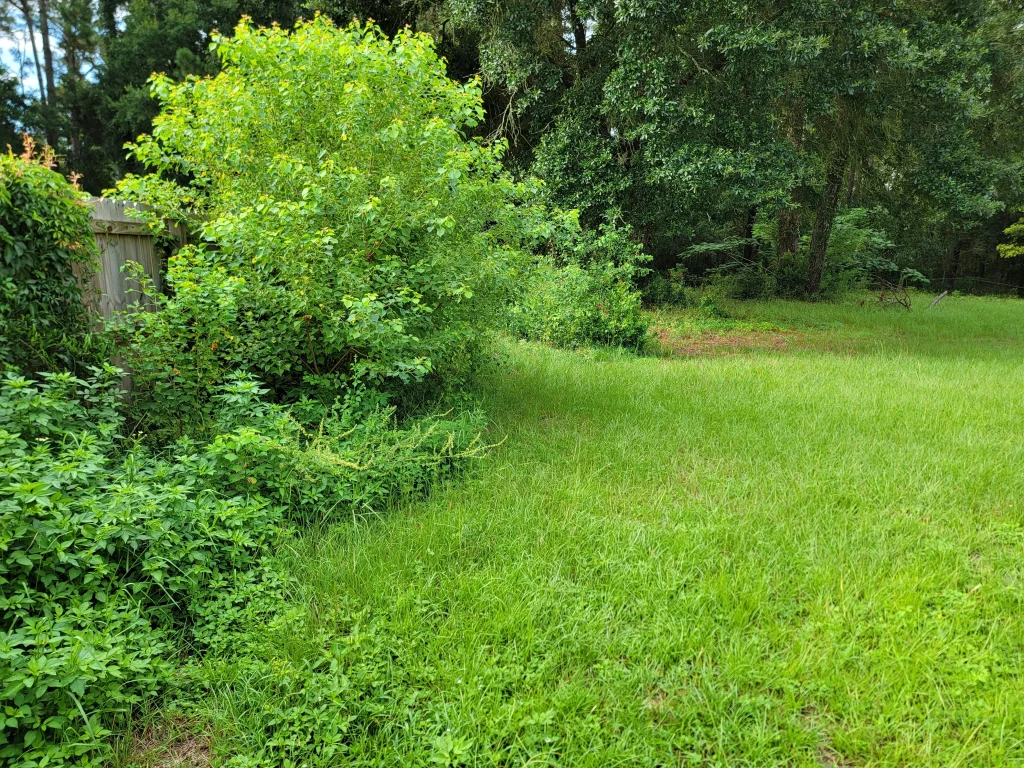
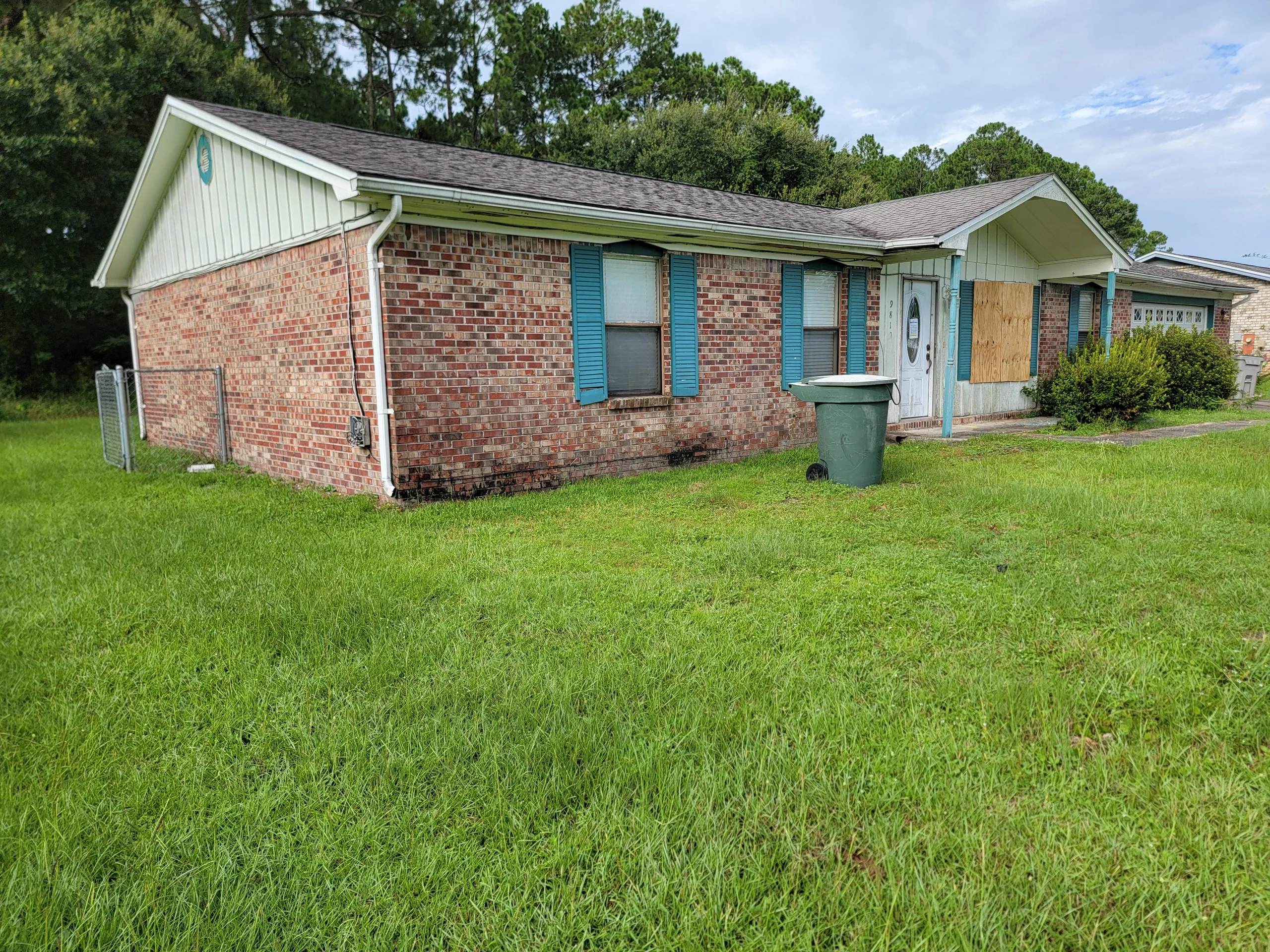
- Neglect and Disrepair: Failing to maintain the property, leading to unsafe living conditions.
- Improper Use of Property: Using the property in ways that violate zoning laws, such as running a business in a residential area.
- Health Hazards: IIssues like mold, pest infestations, or lack of proper sanitation facilities.
Consequences of Code Violations
The consequences of code violations can be severe, affecting both the property and its owner. Here are some potential outcomes:
1. Fines and Penalties: Authorities may impose fines for non-compliance. These fines can accumulate daily until the violation is rectified.
2. Repair Orders: Owners may be required to make necessary repairs or modifications to bring the property into compliance.
3. Legal Action: Persistent non-compliance can lead to legal action, including lawsuits or criminal charges in extreme cases.
4. Property Liens: Municipalities can place liens on the property for unpaid fines or repair costs.
5. Condemnation: In severe cases, authorities may condemn the property, declaring it unfit for occupancy.
State Laws Leading to Loss of Property
Beyond code violations, various state laws can lead to the loss of property ownership for homeowners. Understanding these laws is crucial for property owners to safeguard their investments.
Adverse Possession
Adverse possession laws allow someone who openly occupies and uses someone else's property without permission to potentially gain legal ownership after a certain period.
Homestead Exemptions
Some states offer homestead exemptions that protect a homeowner's primary residence from creditors.
HOA and Condominium Association Rules
Homeowners must adhere to the rules and regulations set forth by these organizations.
Property Tax Delinquency
States have varying laws regarding the timeline and process for dealing with property tax delinquency.
Case Studies in Florida.
To illustrate the real-world impact of code violations, consider the following case studies:
- Historic Home In Pensacola: An investor purchased a historic home intending to renovate it. However, they failed to secure necessary permits and made unauthorized modifications. Neighbors complained, leading to a city inspection, fines, and an order to cease all work until proper permits were obtained.
- Multi-Family Property in Tallahassee: A landlord owned a multi-family building that fell into disrepair, resulting in citations and fines. The landlord faced legal action, and the building was deemed unfit for occupancy.
- Rental Conversion in Panama City: A homeowner converted their single-family home into a multi-unit rental without permits. The city found numerous code violations, and the homeowner was fined and ordered to restore the property to its original condition.
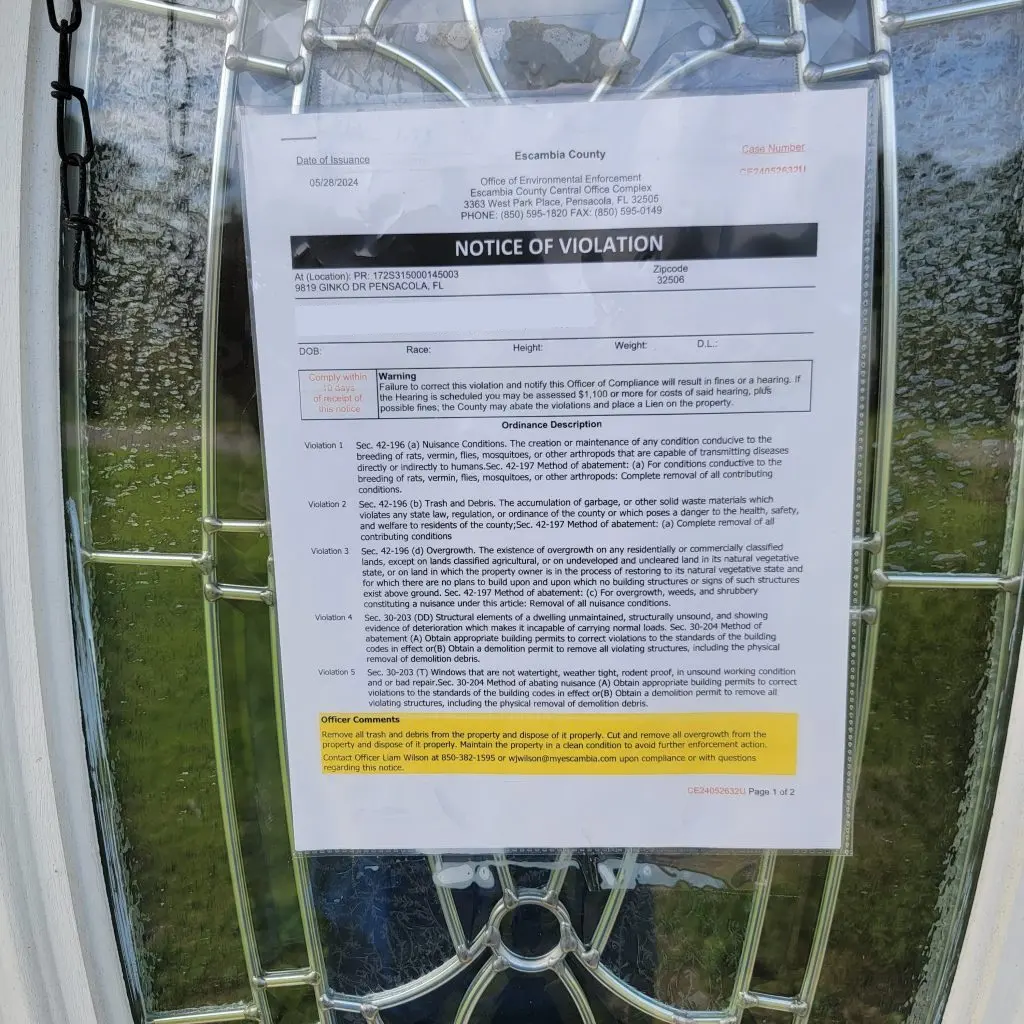
- Code Enforcement Violation In Crestview. A homeowner failed to clean up their property, leading to multiple code violations. The city issued a notice, and the fines began to accumulate.
Selling for Cash: A Proven Path for Homeowners.
For property owners facing the severe consequences of code violations, selling for cash can be a viable solution. Cash buyers, like real estate investors, are often willing to purchase properties in any condition, including those with significant code violations. This option allows homeowners to:
Avoid Repair Costs: Selling for cash means the owner doesn’t have to invest in costly repairs or renovations to bring the property up to code.
Speedy Transactions: Cash sales typically close much faster than traditional sales, providing quick relief for property owners facing financial strain due to ongoing fines or legal issues.
No Need for Complying with Codes: Investors purchasing for cash often take on the responsibility of addressing any violations or repairs, allowing the seller to move on without lingering liabilities.
Financial Freedom: By selling for cash, homeowners can settle debts, avoid foreclosure, or even invest in a more compliant property.
Preventing Code Violations
To protect their investment and avoid the severe consequences of code violations, property owners should take proactive steps:
Avoid Repair Costs: Selling for cash means the owner doesn’t have to invest in costly repairs or renovations to bring the property up to code.
No Need for Complying with Codes: Investors purchasing for cash often take on the responsibility of addressing any violations or repairs, allowing the seller to move on without lingering liabilities.
Speedy Transactions: Cash sales typically close much faster than traditional sales, providing quick relief for property owners facing financial strain due to ongoing fines or legal issues.
FAQ: Selling a House with Code Violations in Florida
Q: Can I sell my house if there’s a code enforcement lien on it?
A: Yes. Cash buyers like French Investments can resolve or pay off qualifying liens at closing as part of the purchase process.
Q: Do I need to make repairs before selling?
A: No. You can sell your house as-is, even with major structural or safety issues. We handle repairs after purchase.
Q: How quickly can I sell a home with code violations?
A: Many cash sales close in 7–14 days, depending on your timeline.
Q: Will buyers still purchase if my property has multiple violations?
A: Absolutely. Experienced cash buyers purchase homes in all conditions, including those with severe violations or multiple citations.
Financial Freedom: By selling for cash, homeowners can settle debts, avoid foreclosure, or even invest in a more compliant property.
Main Take-Away
Code violations in Florida are more than minor inconveniences—they can lead to steep fines, legal problems, and even the loss of your property. Instead of sinking thousands into costly repairs, many homeowners choose a faster, safer route: selling for cash.
Want to see how the process works? Check out our step-by-step guide here: How Selling Your Florida Home for Cash Works.